


Why Artificial Plants Are the Smart Choice for Your Home
Your home deserves to feel alive and welcoming. Plants bring that energy, that fresh feeling we all crave. But let's be honest. Not everyone has a green thumb. Not everyone has time to water, prune, and fuss over living plants.
That's where artificial plants come in. And no, we're not talking about those dusty fake flowers your grandmother had in the 1980s. Today's artificial plants look so real, your guests will try to water them.
Here's what we'll cover:
- Why artificial plants make sense for real life
- Where to use them in your home
- How to make them look natural
- Simple care tips
The Real Benefits of Artificial Plants
Let's talk about why artificial plants work for actual people living actual lives.
They don't die. You can't kill them by forgetting to water them. You can't kill them by going on vacation. You can't kill them because your apartment doesn't get enough light.
They stay green year-round. No brown leaves. No wilting stems. No bare spots where something decided to give up on life.

They're safe around pets and kids. Real plants can be toxic to dogs and cats. Artificial plants don't pose that risk. Your curious toddler can't poison themselves by eating a leaf.
Where Artificial Plants Shine in Your Home
Some spots in your house practically beg for greenery but make it impossible to keep real plants alive.
Bathrooms top that list. Most bathrooms don't have windows. But a fern on your bathroom counter or hanging from the ceiling creates that spa feeling everyone wants.
Home offices need life. Staring at screens all day drains you. A few artificial plants on your desk or bookshelf soften the space. They give your eyes somewhere to rest that isn't a monitor.
Entryways make first impressions. A tall artificial fiddle leaf fig or a couple of potted palms flanking your door says "welcome" better than a bare corner ever could.
Dark hallways feel less like tunnels when you add some greenery. Line the walls with hanging ivy or place small potted plants on console tables.
High shelves look better with trailing plants. Real plants up there would be impossible to water. Artificial plants solve that problem while adding visual interest above eye level.
Making Artificial Plants Look Natural
Here's the thing. You want people to wonder if your plants are real. You don't want them to know immediately that they're fake.
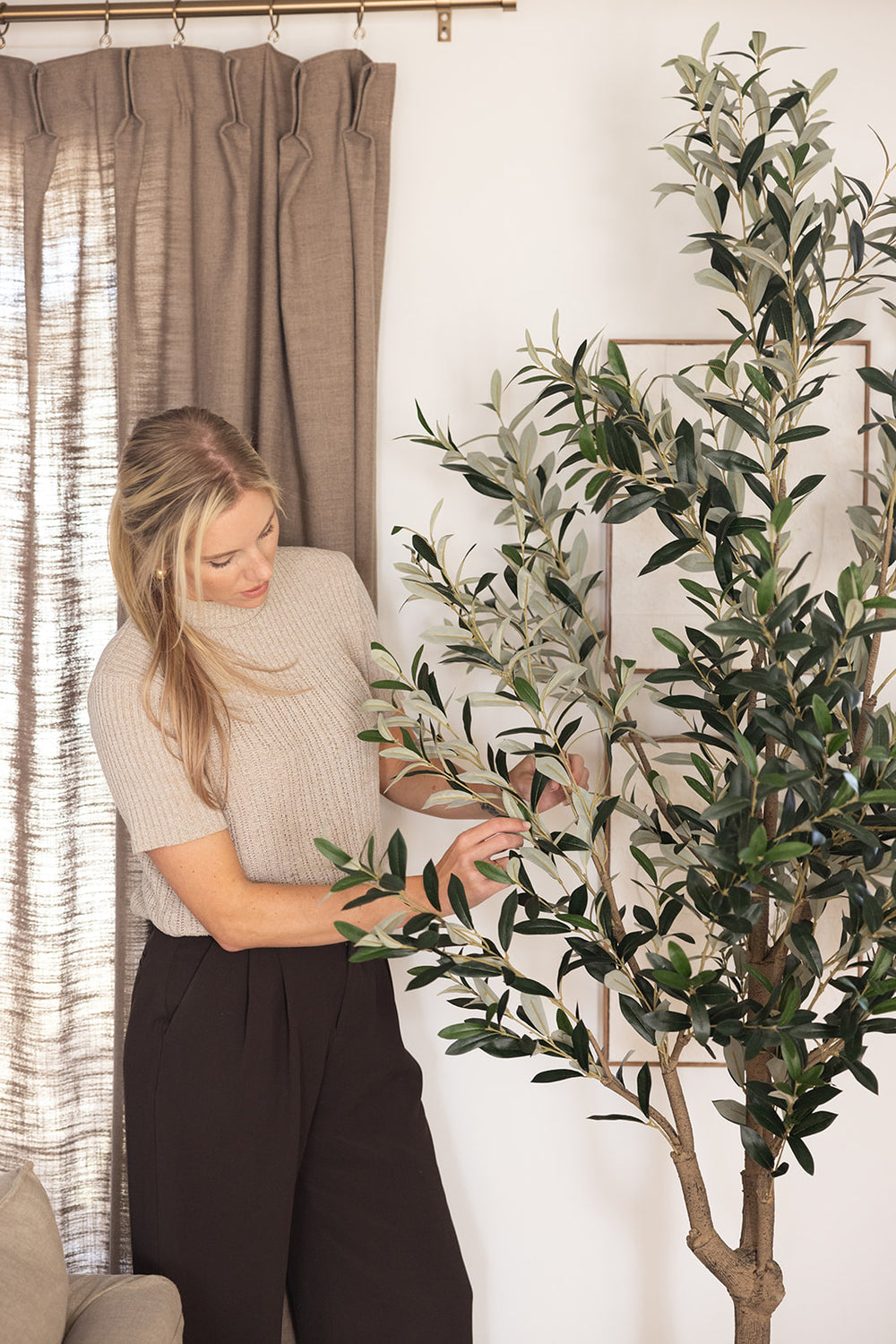
Choose quality over quantity. One really good artificial plant beats five cheap ones. Look for plants with realistic color variations. Real leaves aren't all the same shade of green.
Mix different types together. Group a tall plant with a medium one and a small trailing variety. Real plant people do this. It's called "thriller, filler, spiller," and it works.
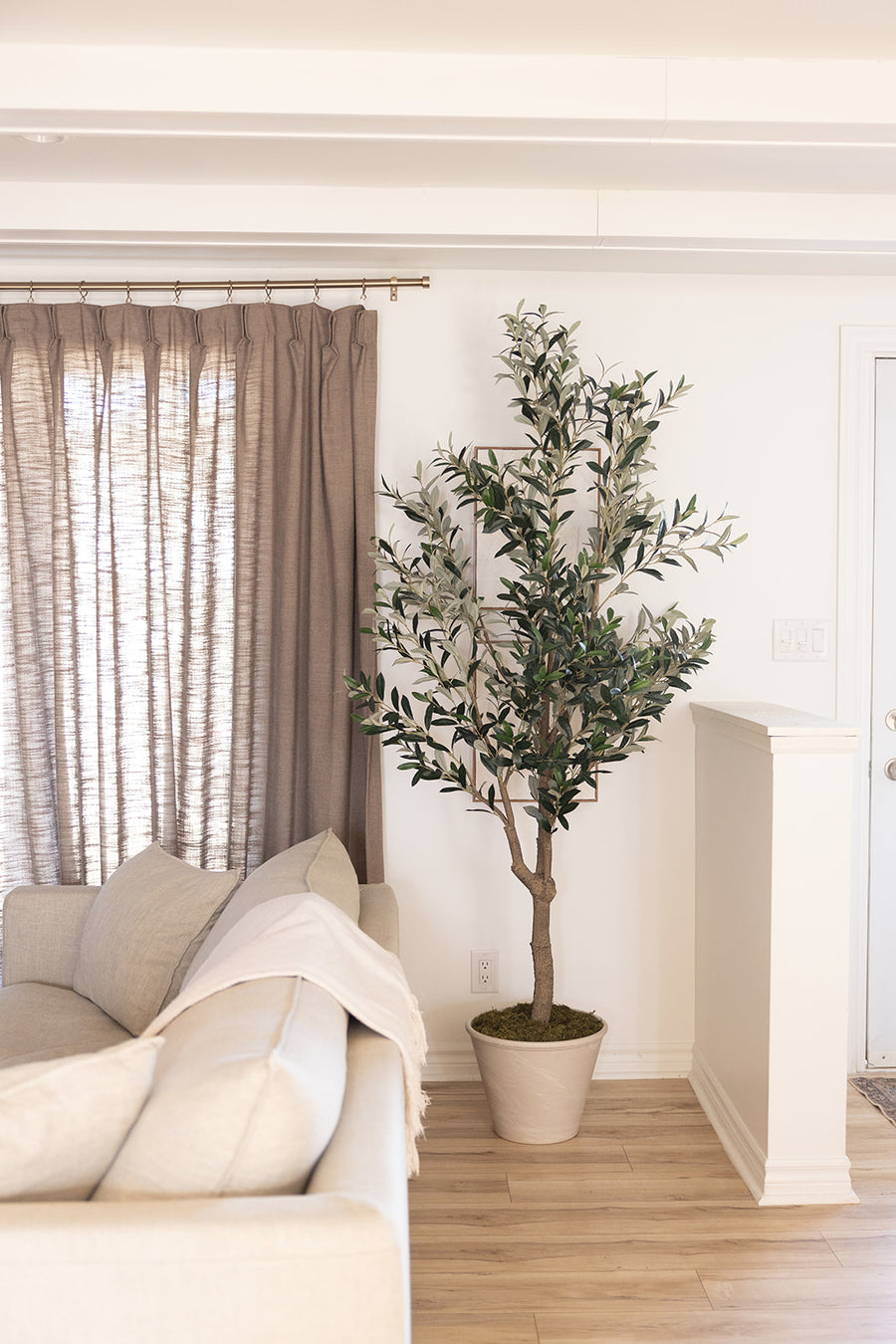
Use real pots and planters. The containers matter as much as the plants. Put your artificial plants in ceramic pots, woven baskets, or modern planters. Ditch the plastic pot it came in.
Add real moss or stones to the soil. This small touch sells the look. Real moss on top of the fake soil makes people look twice.
Bend and shape the stems. Artificial plants often arrive looking too perfect and uniform. Real plants grow in different directions. Gently bend stems and adjust leaves so they look more organic.
Style Ideas for Every Room
Living rooms benefit from big statement plants. A tall artificial olive tree in the corner grounds the space. A large monstera next to your couch adds drama without blocking the TV.
Bedrooms feel calmer with greenery. Small potted plants on nightstands create symmetry. Hanging plants near windows softens the light.
Kitchens look better with herb gardens. Line up small pots of artificial rosemary, basil, and thyme on your windowsill. They add color and texture without needing actual care.
Dining rooms need centerpieces. A low arrangement of succulents or a simple potted fern in the middle of your table works for everyday and fancy dinners alike.
Simple Care That Takes Minutes
One of the best things about artificial plants is how little time they demand.
Dust them weekly. Use a microfiber cloth or a soft brush. For plants with lots of little leaves, a can of compressed air works great.
Deep clean them monthly. Take them outside and spray them down with water. Let them dry completely before bringing them back inside.
Fluff and reshape as needed. Stems can get squished or bent out of shape. A quick adjustment keeps them looking their best.
That's it. Five minutes a month and your plants look perfect year round.
The Bottom Line
Life's too short to feel guilty about dead plants. Your home should feel green and alive without adding stress to your already full plate.
Artificial plants give you that. They look real. They last forever. They need almost no attention.

You're not cheating by using them. You're being smart about your time and your space.
Mix sizes and types. Use quality pots. Dust them occasionally. That's all it takes to have a home full of gorgeous greenery that never lets you down.
Frequently Asked Questions
- Do artificial plants look obviously fake?
Not if you buy quality ones. Modern artificial plants feature realistic textures and natural color variations. Use real pots and add moss on top to sell the look even more.
- How long do artificial plants last?
Quality artificial plants last 5 to 10 years or longer with minimal care. Keep them out of direct sunlight and dust them regularly.
- Can I use artificial plants outdoors?
Some work outdoors if they're UV-resistant. They last longer on covered porches than in full sun and rain. Bring delicate ones inside during harsh weather.